
The Importance of Proper Surface Preparation Before Painting
Proper surface preparation is one of the most critical steps in any painting project, yet it is often overlooked or rushed. Taking the time to prepare surfaces correctly directly impacts how well paint adheres, how smooth the finish appears, and how long the results will last. Whether tackling a residential update or a large-scale renovation, understanding why preparation matters can make the difference between a short-lived paint job and one that holds up for years.
Homeowners and property managers frequently turn to local painting contractors to ensure that every stage of the process is handled professionally, starting with preparation. Even the highest-quality paint cannot compensate for poor groundwork. By focusing on cleaning, repairing, and priming surfaces properly, painters create a foundation that supports both visual appeal and long-term durability.
As demand for painting services continues to rise, preparation becomes even more essential. According to IBISWORLD, over the next five years, the home painting industry is expected to experience notable, sustained growth, propelled by a likely resurgence in residential construction and renovation activity. This growth highlights the importance of proper techniques, especially as more projects require reliable results. Understanding why preparation matters helps ensure that every painting project meets high standards from start to finish.
Understanding Surface Types and Their Requirements
Different surfaces require different preparation methods, and recognizing these distinctions is essential for achieving a successful outcome. Materials such as wood, drywall, plaster, and metal all respond differently to paint, meaning each one must be treated with a tailored approach before any coating is applied. Wood surfaces, for example, often need sanding to create a smooth and even base while also removing imperfections. In many cases, sealing the surface is necessary to prevent uneven absorption of paint. Metal surfaces, on the other hand, require thorough cleaning and the removal of rust to ensure proper adhesion. Without these steps, paint may fail prematurely.
Drywall and plaster typically need patching and smoothing to eliminate dents, cracks, or uneven textures. These surfaces can absorb paint inconsistently if not primed correctly, leading to a blotchy appearance. Local painting contractors understand how to address these challenges and select the right materials for each surface type. By properly identifying and preparing each surface, painters can avoid issues such as peeling, cracking, or uneven coverage. This attention to detail lays the groundwork for a professional finish that looks consistent and lasts longer.
Evaluating Existing Conditions Before Starting
Before any preparation work begins, assessing the current condition of a surface is essential. This step allows painters to identify underlying problems that could interfere with the final result. Issues such as peeling paint, water damage, or mold must be addressed before applying new coatings.
A thorough inspection typically involves both visual and hands-on evaluation. Painters may look for discoloration, cracks, or soft spots that indicate structural concerns. In some cases, small test areas are used to determine how well existing paint is bonded to the surface. These insights help guide the preparation process and ensure that no issues are overlooked.
Environmental factors also play a role in surface condition. Areas exposed to moisture, sunlight, or temperature fluctuations may show signs of wear that require additional attention. Local painting contractors often take these conditions into account when developing a preparation plan.
By carefully evaluating surfaces before painting, it becomes easier to address potential problems early. This proactive approach prevents complications later on and ensures that the finished paint job performs as expected over time.
Selecting the Right Tools and Materials
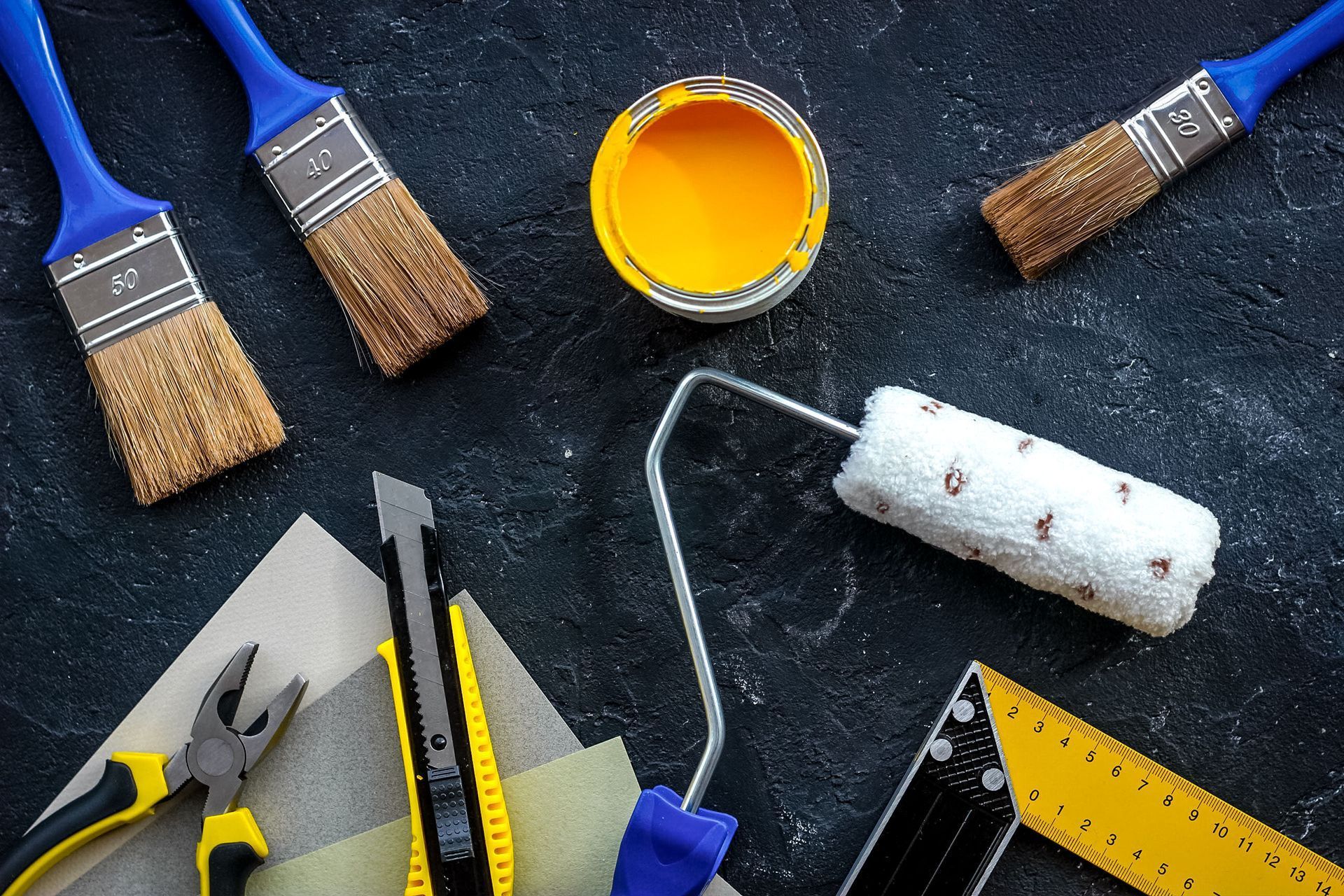
Using the proper tools and materials is a key part of effective surface preparation. High-quality equipment allows painters to complete tasks more efficiently while achieving better results. Tools such as sanders, scrapers, and putty knives are commonly used to smooth surfaces and remove old paint.
Cleaning supplies are equally important. Removing dirt, grease, and mildew ensures that paint adheres properly and maintains its appearance. Specialized cleaning agents can break down contaminants that might otherwise interfere with the painting process. Local painting contractors often rely on proven products that deliver consistent results.
In addition to tools, selecting the right primers is crucial. Primers create a uniform base that helps paint bond to the surface while improving coverage. Different primers are designed for specific materials, making it important to choose the correct type for each project. Safety equipment should also be part of the preparation process. Gloves, masks, and protective eyewear help reduce exposure to dust and chemicals. By combining the right tools with proper safety measures, painters can work more effectively while maintaining a safe environment. Investing in quality tools and materials ultimately leads to better outcomes. When preparation is handled with precision, the final paint job reflects that level of care and attention.
Prioritizing Cleaning and Surface Repairs
Making sure to clean and repair surfaces is a fundamental step that should never be skipped. Dirt, dust, and grease can prevent paint from adhering properly, leading to uneven coverage and premature failure. Thorough cleaning removes these obstacles and creates a suitable base for painting.
Repairs are equally important in achieving a smooth finish. Cracks, holes, and dents must be filled and sanded to ensure that the surface is even. Without these repairs, imperfections will remain visible after painting, detracting from the overall appearance. In some cases, more extensive repairs may be required. Water damage, for example, can weaken surfaces and lead to further issues if not addressed. Local painting contractors are equipped to handle these situations, ensuring that surfaces are structurally sound before painting begins.
Taking the time to clean and repair surfaces properly also reduces the likelihood of future maintenance issues. Paint applied to a well-prepared surface is less likely to peel or crack, resulting in a longer-lasting finish. This step not only improves aesthetics but also enhances durability.
By prioritizing these foundational tasks, painters can achieve a level of quality that would be impossible without proper preparation. The extra effort invested at this stage pays off in both appearance and performance.
Applying Primers for Stronger Adhesion
Priming is a critical step that bridges the gap between preparation and painting. A properly applied primer creates a stable surface that allows paint to adhere more effectively, resulting in a smoother and more uniform finish.
Different surfaces require different types of primers, making it important to select the right product for the job. For example, stain-blocking primers are often used on surfaces with discoloration, while bonding primers are ideal for smooth or non-porous materials. Local painting contractors understand how to match primers to specific conditions.
In addition to improving adhesion, primers enhance the overall appearance of the paint. They help cover imperfections and provide a consistent base color, allowing the final coat to achieve its intended look. This is especially important when transitioning between drastically different colors.
Primers also contribute to the longevity of a paint job. By creating a barrier between the surface and the paint, they help protect against moisture and environmental factors. This added layer of protection ensures that the paint remains intact for a longer period.
Skipping the priming step can lead to a range of issues, including uneven coverage and reduced durability. By incorporating primer into the preparation process, painters can achieve more reliable and long-lasting results.
Proper surface preparation is the foundation of any successful painting project. It ensures that paint adheres correctly, looks smooth and even, and lasts for years without requiring frequent touch-ups. From understanding surface types to applying primers and maintaining safety, each step plays a vital role in achieving high-quality results. As the painting industry continues to grow, the importance of preparation becomes even more apparent. Homeowners increasingly rely on local painting contractors to deliver professional outcomes, knowing that thorough preparation is key to long-term satisfaction. Skipping or rushing these steps can compromise the entire project, regardless of the quality of the paint used.
By recognizing the value of proper surface preparation, individuals can make informed decisions that lead to better results. Investing time and effort into preparation not only enhances the appearance of a space but also ensures durability and reliability. In the end, careful preparation is what transforms a simple paint job into a lasting improvement that stands the test of time. If you are located in the Fairfield, CT area and seeking reliable local painting contractors , contact the professionals at Sergio's Painting & Home Improvement LLC today to request an estimate.